
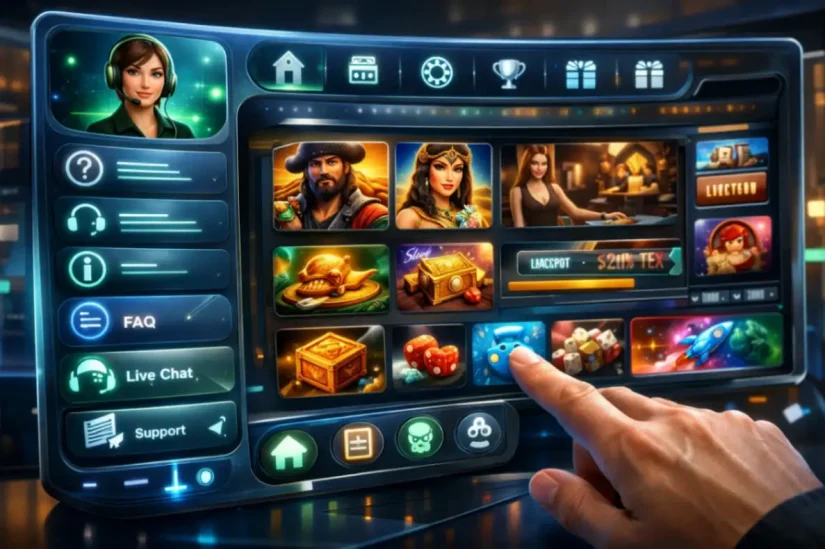
Online betting platforms rarely redesign their interfaces without deeper strategic reasons. When changes appear first in the Help Center structure and navigation logic, they often signal a broader transformation that goes beyond visuals. RioBet’s recent interface-related updates, especially visible through Help Center revisions and navigation restructuring, suggest a shift in how the platform wants users to interact with content, features, and support tools.
This article explores what can be inferred from those updates, how they affect usability, and what they reveal about RioBet’s evolving product strategy. Instead of focusing on rumors or surface-level design tweaks, the analysis looks at structural signals: navigation logic, categorization, content hierarchy, and user flow.
Interface Updates as a Strategic Signal Rather Than a Cosmetic Change
When an online sportsbook or casino updates its interface, users often assume the goal is visual modernization. However, interface changes typically start much earlier at the structural level, long before new colors or layouts appear on the main pages. The Help Center is usually the first area to reflect these internal shifts, because it mirrors how the platform itself categorizes features, user actions, and problem-solving flows.
In RioBet’s case, the recent adjustments in navigation paths and Help Center sections suggest a move toward clearer separation of user intents. Instead of grouping information broadly, the platform appears to be refining how different user journeys are mapped. Registration, verification, payments, betting rules, and account management are being positioned not just as static information blocks, but as parts of a guided experience.
This kind of change is often driven by data. Platforms analyze where users get stuck, which questions appear most frequently in support tickets, and which actions lead to friction or drop-off. By restructuring navigation and help content, RioBet is likely attempting to reduce cognitive load and shorten the path between a user question and a usable answer.
Another important signal is consistency. Interface logic that starts in the Help Center usually propagates to the main site later. That means the observed changes are not isolated updates but early indicators of a broader interface evolution.
What the Help Center Structure Reveals About User Priorities
The Help Center is effectively a map of what the platform believes matters most to its users. Changes in section naming, hierarchy, and grouping reveal shifts in perceived priorities. In RioBet’s updated Help Center navigation, the emphasis appears to be moving toward clearer task-based categories rather than feature-based ones.
Before diving into implications, it’s useful to look at how the structure itself communicates intent.
Below is a simplified overview of how the Help Center navigation appears to be organized after the updates, compared to a more traditional structure.
| Area of Focus | Traditional Help Center Logic | Updated RioBet-Oriented Logic |
|---|---|---|
| Account Access | Registration / Login | Getting Started |
| Payments | Deposits / Withdrawals | Money Management |
| Betting Rules | Sports Rules | How Betting Works |
| Bonuses | Promotions | Bonuses and Conditions |
| Support | Contact Us | Support and Problem Solving |
This structural shift matters because it changes how users mentally frame their interaction with the platform. Instead of thinking in technical terms like “withdrawals” or “rules,” users are guided toward more intuitive concepts such as managing money or understanding how betting works.
After the table, it becomes clear that the updated Help Center is less about listing features and more about guiding behavior. Each category suggests an action or a goal rather than a static topic. This approach aligns with modern UX principles, where platforms aim to reduce friction by matching system language with user language.
From an SEO and usability perspective, this also improves internal search performance. Clearer, intent-based categories make it easier for both users and search engines to understand content relevance.
Navigation Changes and the Shift Toward Scenario-Based User Flow
Navigation is not just a menu; it is a representation of how a platform expects users to think. One of the most noticeable implications of RioBet’s updates is a move toward scenario-based navigation rather than linear browsing.
Before presenting a list of key navigation signals, it’s important to understand the context. Scenario-based navigation means that instead of forcing users to explore the platform feature by feature, the interface anticipates common situations. These might include first-time registration, resolving payment delays, understanding betting limits, or clarifying bonus wagering.
Key signals that suggest this shift include:
- Clear separation between beginner-oriented and experienced-user content.
- Reduced depth of navigation levels for critical actions.
- Increased visibility of problem-solving pathways.
- Contextual linking between related Help Center articles.
- Terminology that reflects user questions rather than internal system terms.
Each of these elements points toward a design philosophy that prioritizes real user behavior over internal platform structure.
After this list, the broader implication becomes apparent. By aligning navigation with scenarios, RioBet reduces the time users spend searching for answers and increases the likelihood that they complete desired actions without contacting support. This not only improves user satisfaction but also reduces operational costs associated with customer service.
From a product perspective, scenario-based navigation also makes future interface updates easier to roll out. Once user journeys are clearly defined, visual redesigns can be layered on top without breaking the underlying logic.
How Interface Refinement Improves Accessibility and User Trust
Interface clarity is closely tied to trust, especially in the betting and online casino industry. Users are more likely to trust a platform that feels predictable, transparent, and easy to navigate. The recent Help Center and navigation updates at RioBet suggest an effort to reinforce these qualities through structure rather than marketing claims.
Accessibility plays a major role here. Clear navigation labels, reduced ambiguity in category names, and consistent page layouts all contribute to a lower barrier of entry. For new users, this means fewer mistakes during registration or payments. For experienced users, it means faster access to specific information without unnecessary steps.
Trust is also reinforced through predictability. When similar actions are grouped logically and follow consistent patterns, users develop confidence in their understanding of the platform. This confidence reduces hesitation, which is particularly important when real money transactions are involved.
Another subtle but important aspect is transparency. A well-structured Help Center signals that the platform is not trying to hide rules, conditions, or limitations. By making information easier to find, RioBet implicitly communicates that it has nothing to obscure.
SEO Implications of Help Center and Navigation Updates
While interface updates are often discussed from a user perspective, they also have significant SEO implications. Search engines increasingly evaluate site structure, internal linking, and content clarity when ranking pages. Help Center updates can directly influence organic visibility.
By reorganizing content around user intent, RioBet improves keyword relevance without resorting to keyword stuffing. Articles that answer specific questions are more likely to rank for long-tail queries related to betting rules, payments, or account management.
Improved navigation also enhances crawlability. Clear category hierarchies and contextual internal links help search engines understand how pages relate to each other. This can lead to better indexing and more consistent rankings across informational queries.
Another SEO benefit lies in reduced bounce rates. When users find relevant answers quickly, they are more likely to stay on the site and explore related content. Behavioral signals like time on page and internal navigation depth indirectly support SEO performance.
In competitive betting markets, these structural advantages can be as important as promotional strategies. A platform that answers user questions clearly and efficiently gains both trust and visibility.
What These Updates Suggest About Future Interface Changes
Help Center and navigation updates are rarely the final step in an interface transformation. They usually precede broader changes to the main site layout, account dashboards, and mobile experience. Based on the observed updates, it is reasonable to expect further refinements across RioBet’s platform.
Future changes may include more personalized dashboards, clearer separation between sports betting and casino sections, and enhanced onboarding flows for new users. The groundwork for these improvements appears to be laid through the current structural updates.
Another likely direction is improved mobile usability. Scenario-based navigation translates particularly well to mobile interfaces, where screen space is limited and user attention is fragmented. By simplifying navigation logic now, RioBet positions itself for smoother mobile updates later.
Importantly, these changes suggest a long-term product vision rather than a short-term redesign. Platforms that invest in structure tend to focus on sustainability, scalability, and regulatory clarity.
Why Structural Updates Matter More Than Visual Redesigns
Visual redesigns attract attention, but structural updates define long-term usability. RioBet’s recent changes highlight this distinction clearly. By focusing on Help Center organization and navigation logic, the platform addresses foundational issues that affect every user interaction.
Structure determines how easily users learn the platform, how quickly they resolve problems, and how confident they feel when making decisions. These factors directly influence retention and lifetime value, which are critical metrics in the betting industry.
While colors, animations, and layouts may change over time, a well-designed structure remains relevant. It supports future features, simplifies compliance updates, and adapts more easily to evolving user expectations.
In that sense, the current updates are not just incremental improvements but strategic investments in the platform’s future.
Conclusion
RioBet’s interface-related updates, visible through Help Center restructuring and navigation adjustments, reveal more than a routine refresh. They point to a deliberate shift toward user-centric design, scenario-based navigation, and long-term scalability.
By refining how information is organized and accessed, the platform improves usability, trust, and SEO performance simultaneously. These changes suggest that future updates will likely build on this foundation, extending clarity and consistency across the entire user experience.
For users, the benefits are immediate: faster answers, clearer paths, and reduced friction. For the platform, the advantages lie in efficiency, visibility, and sustainable growth.